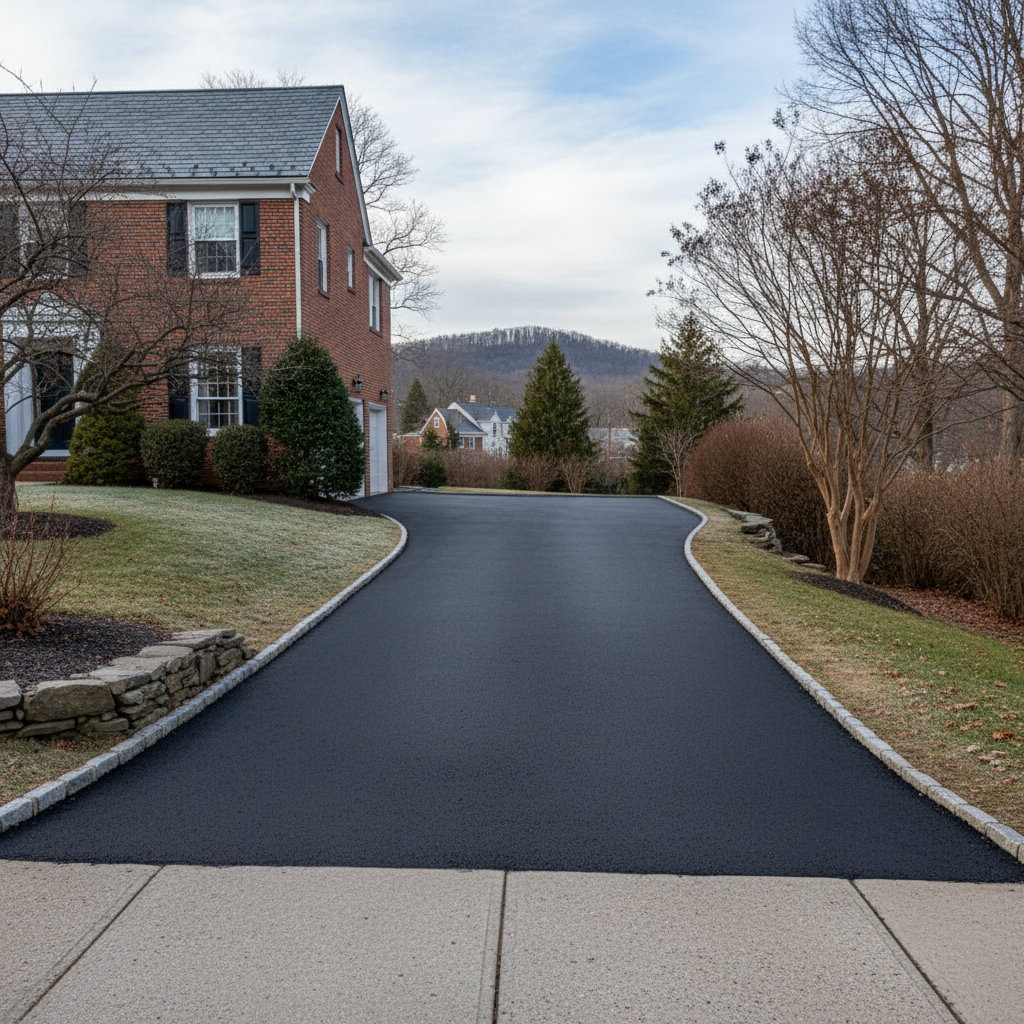
Timing Your New Asphalt Driveway in Philly
So, you're ready for a new asphalt driveway. Great! It's a big investment, and you want it done right. But here in Philadelphia, 'right' doesn't just mean a good crew and quality materials; it means doing the work when the weather's actually cooperating. You can't just pick any old Tuesday on the calendar and expect the best results. Our local climate plays a huge role in how well your new asphalt cures and lasts.
I've seen it all over the years, from South Philly rowhomes to sprawling properties out in Chestnut Hill. Trying to lay asphalt when it's too cold or too hot is just asking for trouble. It affects everything from compaction to how the material bonds, and ultimately, how long your driveway holds up.
The Sweet Spot: Spring and Fall
If you're asking me the absolute best time to pave, I'm going to tell you spring and fall. Specifically, late spring (think May into early June) and early to mid-fall (September through October) are prime. Why? It's all about temperature.
Asphalt needs warmth to be pliable and to compact properly, but it can't be scorching hot either. We're looking for consistent air temperatures between 50°F and 85°F. This range allows the asphalt mix to stay workable long enough for our crews to lay it, grade it, and compact it thoroughly before it cools down too much. When it's too cold, the asphalt cools too fast, making it harder to achieve proper compaction, which can lead to premature cracking. When it's too hot, the mix can remain too soft for too long, making it susceptible to rutting or displacement during the initial curing phase.
Plus, these seasons usually bring less extreme weather. We're not battling the humid, oppressive heat of July and August, or the freezing rain and snow of winter. Less rain is also a huge plus. You can't pave on a wet sub-base; it compromises the integrity of the entire structure. We need dry conditions, and spring and fall often deliver that.
What to Avoid: Extreme Philly Weather
Let's talk about what not to do. Trying to pave in the dead of winter is a non-starter for most reputable contractors, including us at Western Asphalt Company. The ground is often frozen, and the air temperature is too low for the asphalt to cure correctly. You'd be setting yourself up for a driveway that won't last. The same goes for the peak of summer. Those 90-degree-plus days with high humidity? Not ideal. The asphalt can be too soft, making it difficult to work with and prone to early damage.
Rain is another big one. If there's a significant chance of rain on our schedule, we're likely going to reschedule. Paving on a wet base or having rain hit fresh asphalt can ruin the job. It's frustrating to delay, I know, but it's always better to wait for the right conditions than to rush and end up with a subpar driveway.
Protecting Your Investment Year-Round
Once your new driveway is in, you'll want to protect that investment. It's not a 'set it and forget it' kind of deal, especially with our freeze-thaw cycles here in the Northeast. Water is asphalt's biggest enemy.
- Sealcoating: After about 6-12 months, your new driveway will be ready for its first sealcoat. This isn't just for looks; it protects the asphalt from UV rays, water penetration, and oil spills. It's like sunscreen and a raincoat for your driveway.
- Crack Sealing: Keep an eye out for any small cracks that develop. Don't let them grow. Fill them promptly with a good quality crack filler. This stops water from getting underneath the asphalt and freezing, which can lead to much larger problems like potholes.
- Drainage: Make sure water is draining off your driveway properly. If you've got puddles forming, that's a red flag. Proper grading and drainage are key to longevity.
- Heavy Loads: Try to avoid parking heavy vehicles or equipment on your driveway for extended periods, especially when it's new or during very hot weather when the asphalt is softer.
- Snow Removal: Be careful with snow plows and shovels. Don't dig into the asphalt. A plastic-edged shovel or snowblower is often better than a metal one.
Look, a new asphalt driveway is a significant home improvement. Doing it at the right time and then taking care of it will ensure you get decades of service out of it. Don't cut corners on timing or maintenance; it'll save you a headache and money down the road.