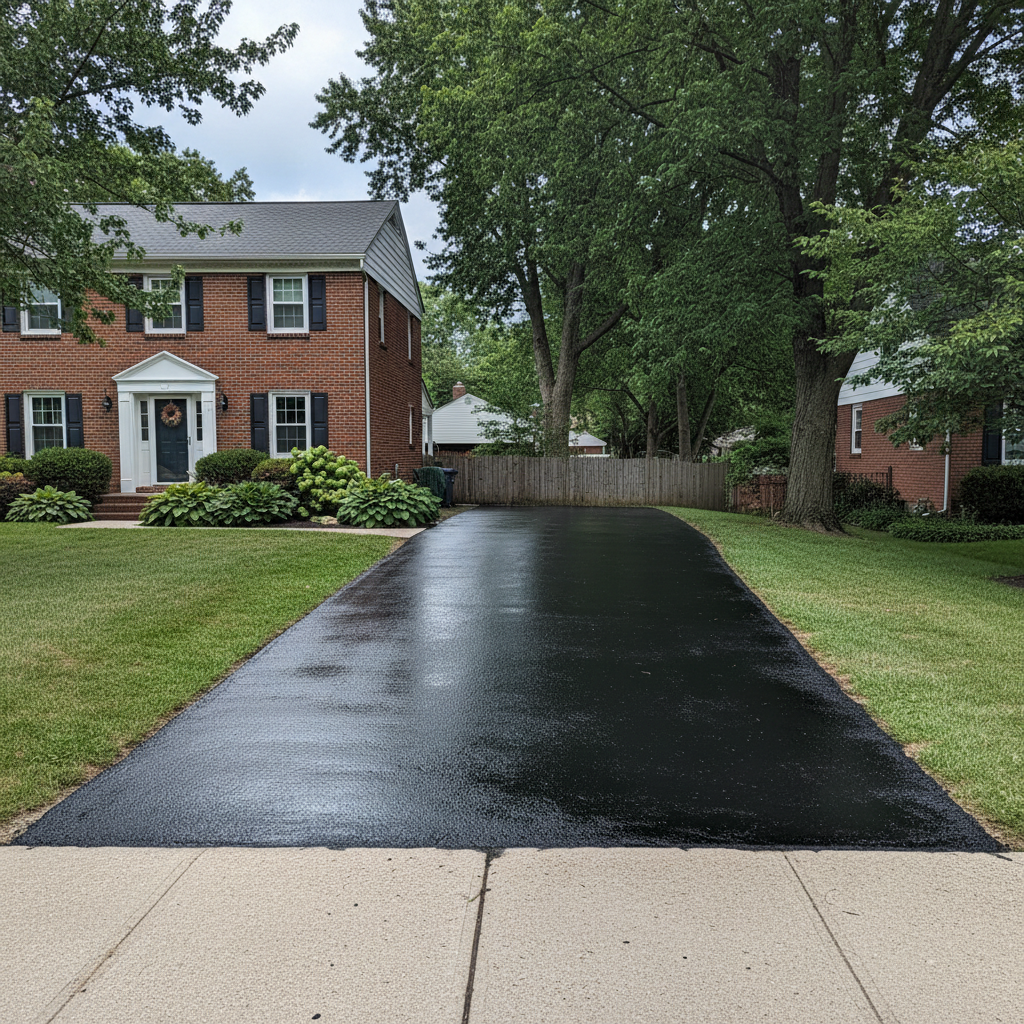
So, you've invested in sealcoating for your driveway or parking lot. Smart move. It's like putting sunscreen on your skin – it protects against the elements, keeps things looking sharp, and adds years to the life of your asphalt. But just like anything good, it's not a 'set it and forget it' deal. You gotta do a little work to make that investment really pay off, especially here in Philadelphia where we get everything from scorching summers to icy winters.
Extending Your Sealcoat's Life: It's Not Rocket Science
The biggest thing you can do to make your sealcoat last is to treat it right, especially in those first few days. I tell every customer this: stay off it! For at least 24 hours, maybe 48 if it's humid or cooler out, keep cars, bikes, even heavy foot traffic off that fresh surface. It needs to cure properly. If you drive on it too soon, you'll leave tire marks, scuff it up, and compromise the seal. That's just throwing money away.
After that initial cure, think about what you're putting on it. Oil and gas spills? Those are sealcoat killers. They'll eat right through it. If you have a leaky car, get it fixed. If a spill happens, clean it up immediately with an absorbent material like cat litter or sand, then scrub gently with a mild detergent and water. Don't let it sit.
Another big one is heavy point loads. Don't park heavy equipment with narrow tires on it for long periods. Don't drag sharp objects. Sealcoat is a protective layer, not an armor plate. Common sense goes a long way here.
Regular Maintenance: Simple Steps, Big Impact
Once your sealcoat has cured and you're past the initial babying phase, regular maintenance is pretty straightforward. It's mostly about keeping it clean and clear.
- Keep it Clean: Sweep off dirt, leaves, and debris regularly. This isn't just for looks; organic matter can hold moisture against the surface, and grit acts like sandpaper underfoot or under tires, slowly wearing down the sealcoat.
- Watch for Weeds: Any cracks, even tiny ones, are an invitation for weeds to sprout. Pull them out by hand or use a weed killer. If weeds grow through your asphalt, they'll widen those cracks and compromise your base.
- Drainage is Key: Make sure water isn't pooling anywhere. If you've got low spots where water sits after a rain, that standing water will degrade your sealcoat much faster, especially when it freezes and thaws repeatedly during our Pennsylvania winters. Good drainage was probably part of the original paving job, but sometimes things settle.
Warning Signs: Don't Ignore These
Your sealcoat will tell you when it's starting to wear out or if there's a problem. You just have to know what to look for.
- Fading Color: The most obvious sign. That deep black color will start to fade to a dull gray. That means the sun's UV rays are breaking down the binder in the sealcoat, and its protective properties are diminishing.
- Aggregate Showing Through: If you start seeing the little stones (aggregate) in your asphalt pavement poking through the sealcoat, it's a clear sign that the sealcoat layer is wearing thin. It's not protecting the asphalt anymore.
- Fine Cracking (Alligator Cracking): While sealcoat can't fix structural problems, if you see a network of fine, interconnected cracks appearing, often called 'alligator cracking,' it means the underlying asphalt is failing. The sealcoat might be intact over it, but it's a sign of a deeper issue that needs attention beyond just another coat.
- Potholes or Depressions: Again, sealcoat won't prevent these, but if they start forming, it means water is getting into the base layer, freezing, expanding, and causing damage. This is a critical warning sign.
When to Call a Professional: Don't Wait Too Long
You're probably wondering, 'When do I need to reseal?' Generally, for most residential driveways, I recommend resealing every 2-3 years. For high-traffic commercial lots, it might be every 1-2 years. It really depends on the traffic, the sun exposure, and how well you've maintained it.
You should definitely call Western Asphalt Company if you see any of those warning signs I just mentioned. If the color is significantly faded, if the aggregate is showing through, or if you're starting to see new cracks develop that weren't there before, it's time for us to take a look. Don't wait until the asphalt itself starts to deteriorate. Sealcoating is preventative maintenance. It's much cheaper to put on another coat of sealer than to repair or replace a damaged asphalt surface.
Also, if you've got standing water issues, or if you're seeing those alligator cracks, that's beyond a simple reseal. That means there's a problem with the asphalt base or structure that needs a professional assessment and repair before any new sealcoat goes down. Trying to sealcoat over those issues is just putting a band-aid on a broken leg. We're here to help you keep your asphalt in top shape, so don't hesitate to reach out if you're unsure.